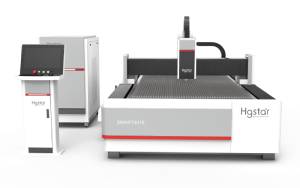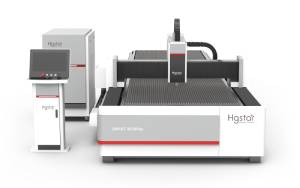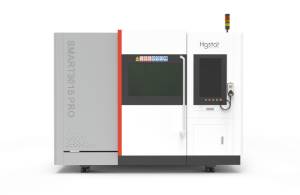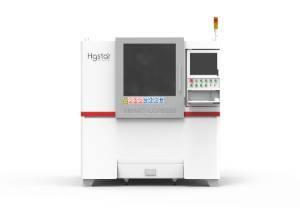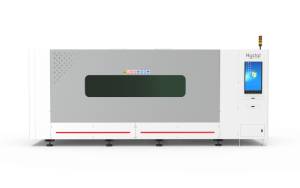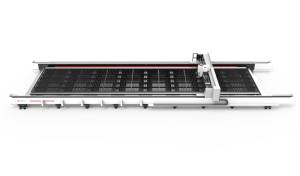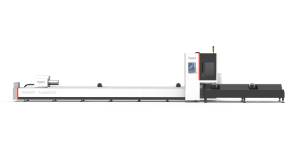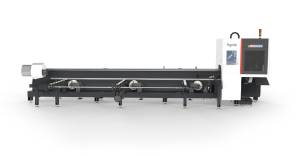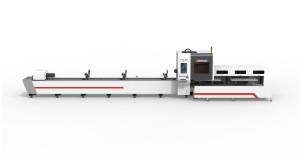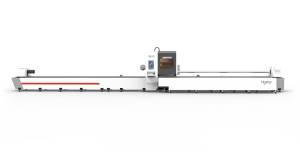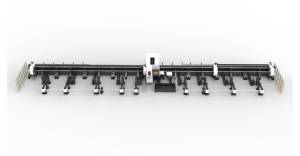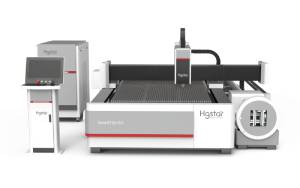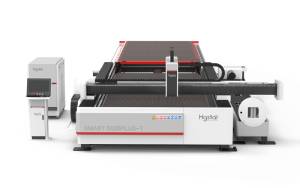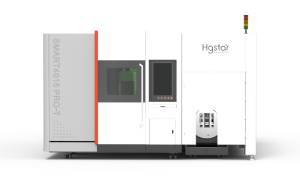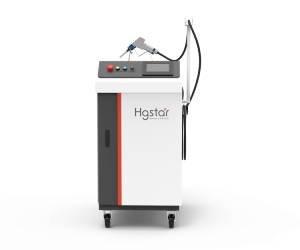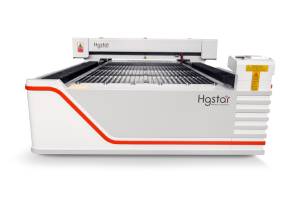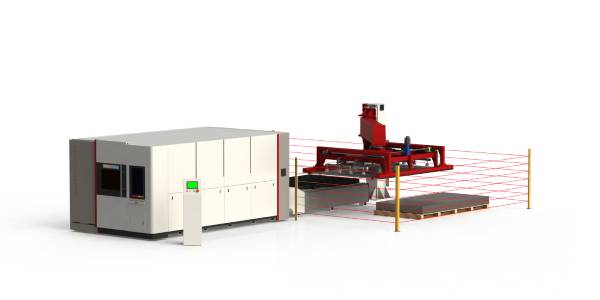
In the modern construction industry, precision and efficiency are paramount. Traditional methods of cutting steel for structural components are being replaced by more advanced technologies. One of the most significant advancements is laser cutting. This technique offers unparalleled accuracy, speed, and flexibility, making it an essential tool for steel structure fabrication. The precision of laser…
The Challenge of Precision and Customization In today’s competitive manufacturing and design industries, businesses face growing demands for high-quality, customized products delivered quickly. Traditional engraving methods, like mechanical etching or stamping, often fall short. They can be slow, inconsistent, and limited in terms of materials, which leads to defects, rework, and wasted time. Precision…
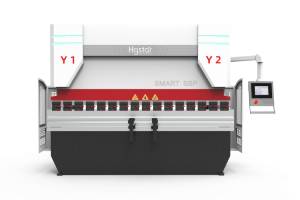
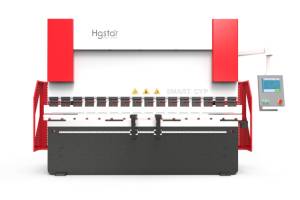
In modern manufacturing, the demand for high-precision metal components has driven companies to adopt advanced CNC press brake technology. CNC press brakes are engineered to deliver exceptional accuracy and repeatability, allowing manufacturers to achieve complex bends and consistent results across a wide range of materials. By integrating programmable controls and automated back gauges, these machines…
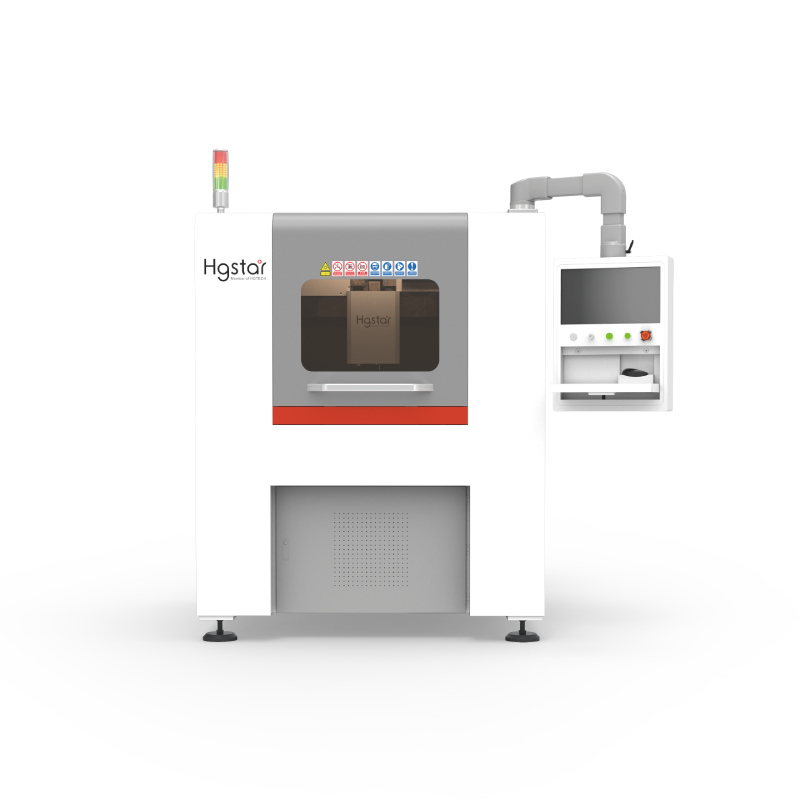
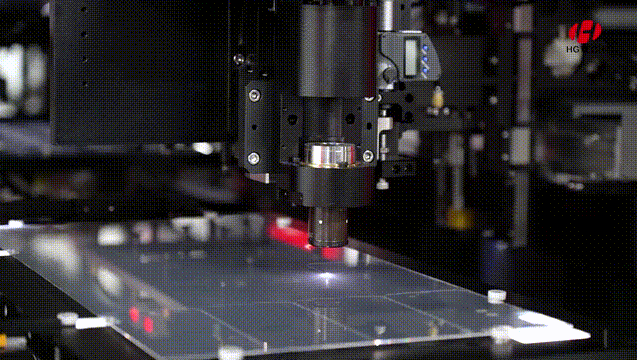
Introduction Glass drilling technology plays an important role in modern manufacturing, particularly in industries such as consumer electronics, automotive, and optical devices. Traditional mechanical drilling methods, which can lead to glass breakage, cracks, and precision issues, have gradually been replaced by laser technology. Laser drilling uses high-energy laser beams to precisely process glass without…
Advantages of Laser Cutting: Precision and Low Deformation Flat steel is a key load-bearing component in shipbuilding, marine engineering, and steel structure construction. Its special cross-sectional shape means that cutting quality directly affects welding, assembly accuracy, and delivery efficiency. Traditional flame and plasma cutting methods often face issues like unstable cut quality and excessive…
Amid ongoing industrial upgrading and the acceleration of Intelligent Manufacturing, tube laser cutting has become a core solution in metal processing. Compared with traditional sawing, punching, and plasma cutting, this technology offers high precision, efficiency, and flexibility, providing high-quality processing support for industries such as automotive manufacturing, construction machinery, steel structures, furniture, and clean energy…
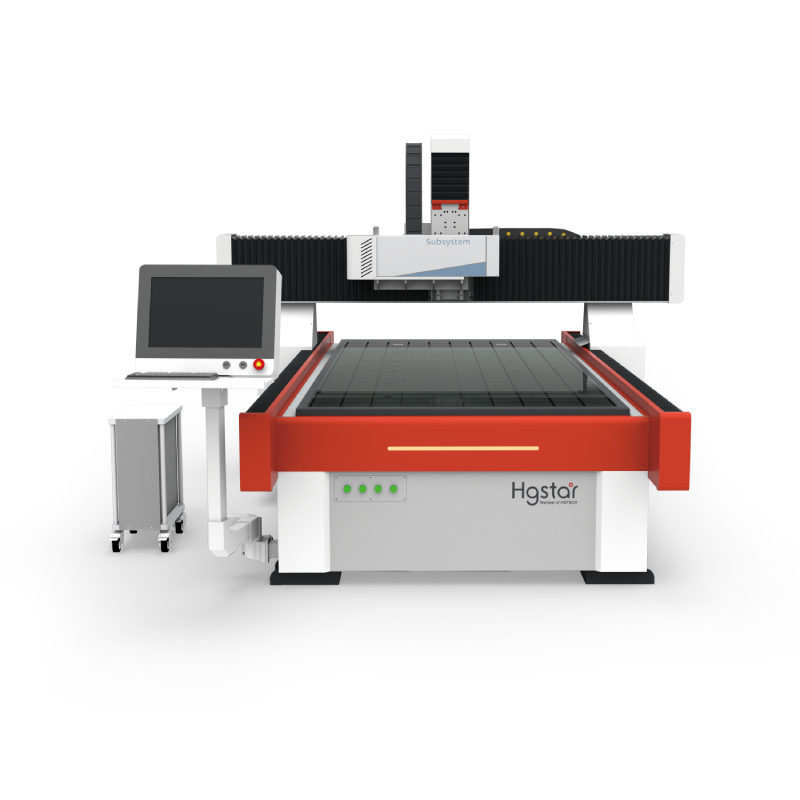
Glass, combining aesthetics with functionality, is widely used in architectural façades, electronic displays, optical components, medical devices, and advanced instruments. However, conventional methods such as wheel scribing and waterjet cutting often result in edge chipping, microcracks, limited precision, and restricted shape flexibility. These limitations affect both product reliability and design freedom. Laser glass cutting has…
Overview of 3D Five-Axis Laser Cutting 3D five-axis laser cutting technology is a significant innovation in modern manufacturing, offering higher precision and more complex cutting paths compared to traditional 2D laser cutting. With five independent motion axes, the laser beam can not only perform flat cutting but also execute three-dimensional cutting, making it suitable…
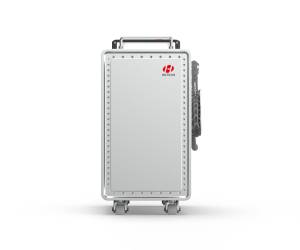
From “Able to Clean” to “Precisely Controlled” In modern manufacturing, surface cleaning is no longer a simple task of rust or contaminant removal. It has become a critical pre-treatment process that directly affects welding quality, coating adhesion, and component lifespan. As industries such as automotive, clean energy, and high-end equipment manufacturing demand…
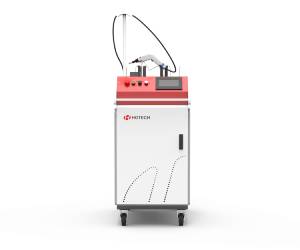
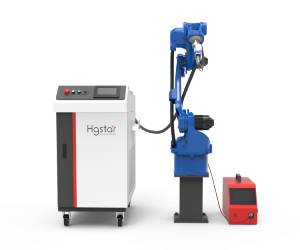
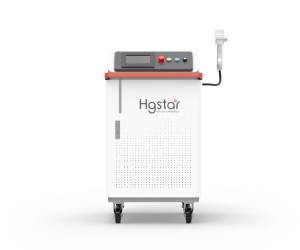
From Conventional Welding to the Laser Era In metal fabrication, welding has always been one of the most fundamental and critical processes. From conventional arc welding and TIG welding to MIG welding, welding technologies have continuously evolved. In recent years, Handheld Laser Welding has rapidly entered the mainstream, attracting widespread attention from the manufacturing industry…