In the modern landscape of structural steel fabrication, the efficiency of processing H-Beams, I-Beams, and wide-flange sections determines the profitability of large-scale infrastructure projects. As skyscrapers, bridges, and industrial plants demand tighter tolerances, traditional manual layout and mechanical sawing are no longer sufficient. To stay competitive, fabricators are shifting toward automated CNC thermal cutting solutions that redefine precision.
The Engineering Challenge: Complex Geometry & Thermal Control
Cutting structural profiles is inherently more complex than flat plate processing. The interplay between the web and the flanges requires a system capable of multi-axis movement to handle beveling, coping, and bolt-hole perforation in a single pass.
The primary technical hurdle is maintaining structural integrity while managing the Heat Affected Zone (HAZ). High-performance thermal cutting—whether plasma or fiber laser—must balance power density with travel speed to ensure that the metallurgical properties of the high-strength steel remain intact, particularly for load-bearing joints.
Precision Coping: The Foundation of Seamless Assembly
A critical focus in H-Beam and I-Beam processing is coping—the removal of flange sections to allow intersecting beams to sit flush. Advanced CNC robotic systems now utilize 3D scanning to detect material deviations (such as camber or sweep) before the torch ever strikes. This “real-time compensation” ensures:
Zero-Gap Fit-Up: Perfect alignment for high-quality fillet and butt welds.
Complex Beveling: Automated creation of weld preparations (V, Y, or K cuts) without secondary grinding.
High-Speed Bolting: Precision-drilled or thermally cut holes that meet strict AISC or Eurocode standards for structural fasteners.
Technological Synergy: Plasma vs. Fiber Laser
When selecting a cutting technology for structural steel, the decision hinges on material thickness and throughput requirements:
3D Plasma Cutting: The industry workhorse for heavy sections. It offers unmatched versatility for deep bevels on thick flanges and remains the most cost-effective solution for diverse structural profiles.
Large-Format Fiber Laser: The emerging frontier for high-precision, high-speed fabrication. Laser technology excels in thinner-walled sections and complex geometry where edge quality and minimal thermal distortion are paramount.
Economic Impact: Reducing “Man-Hours per Ton”
For B2B stakeholders, the ultimate metric is the reduction of man-hours per ton of steel. By integrating automated beam cutting into a digital workflow (BIM/Tekla integration), fabricators can eliminate manual marking, reduce material handling by up to 50%, and significantly shorten the project timeline from workshop to site.
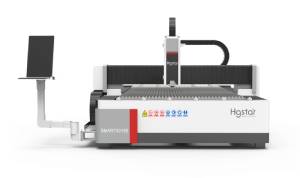
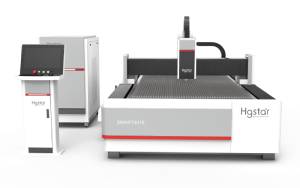
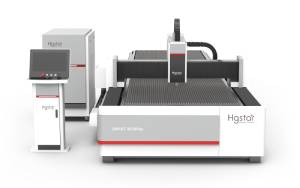
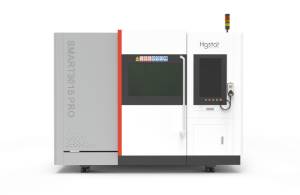
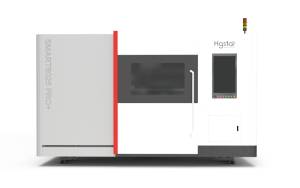
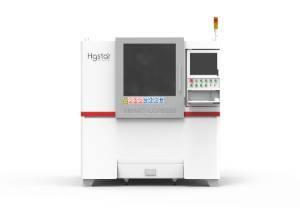
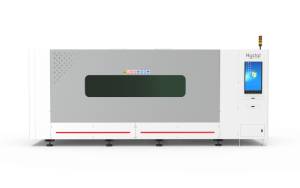
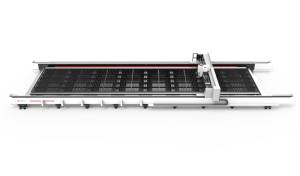
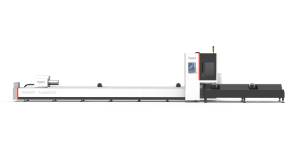
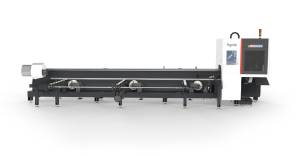
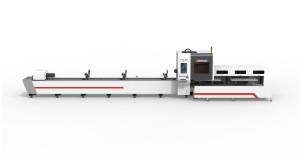
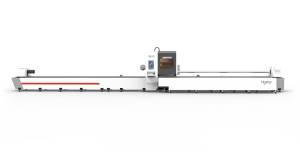
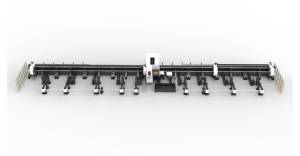
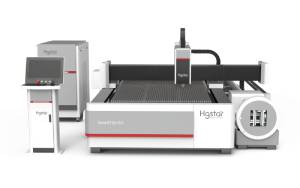
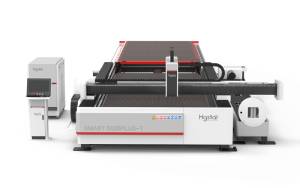
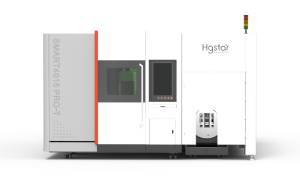
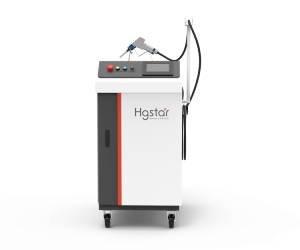
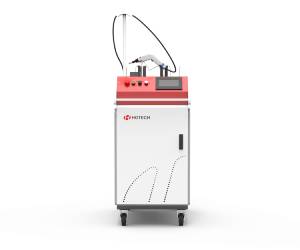
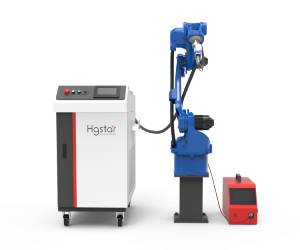
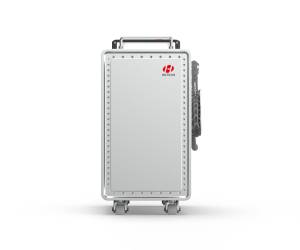
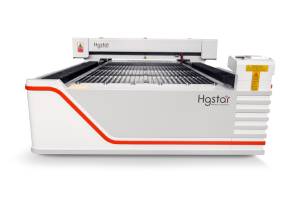
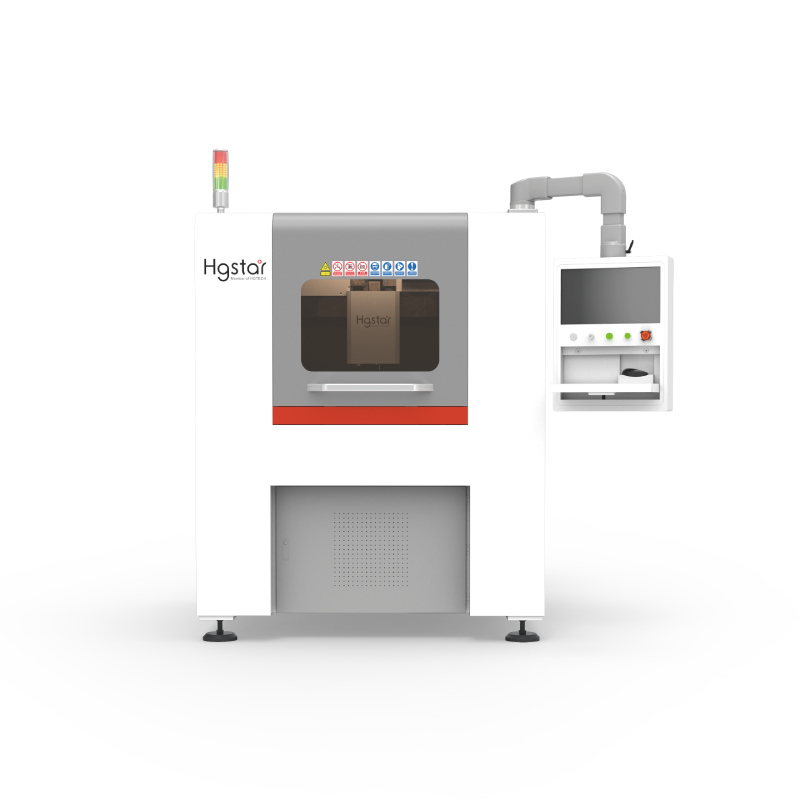
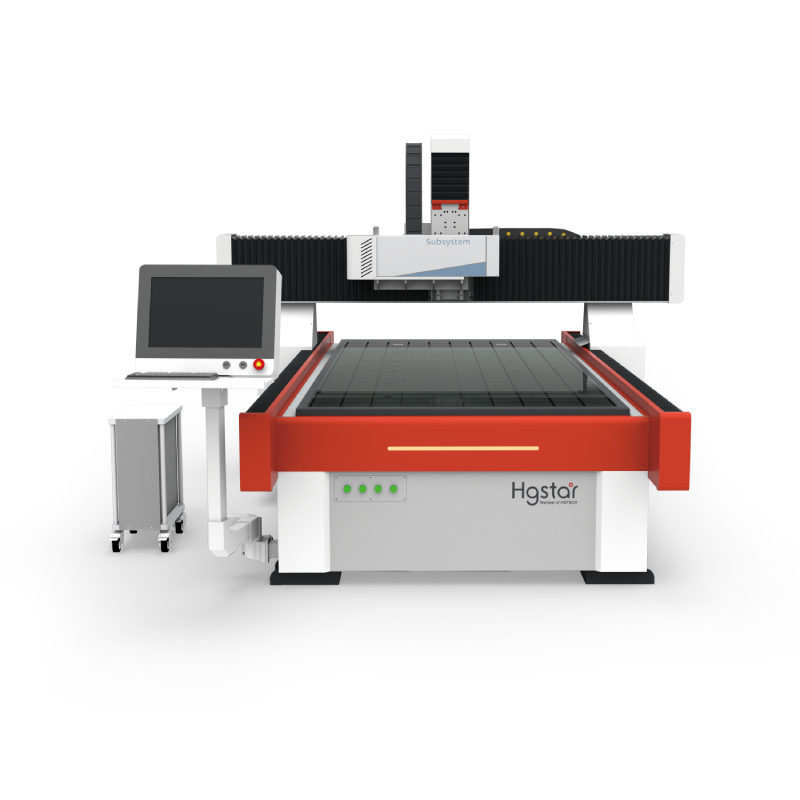
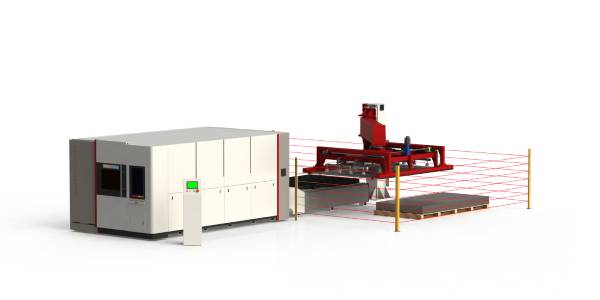
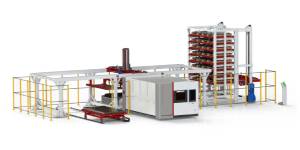
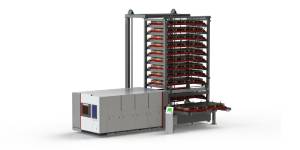
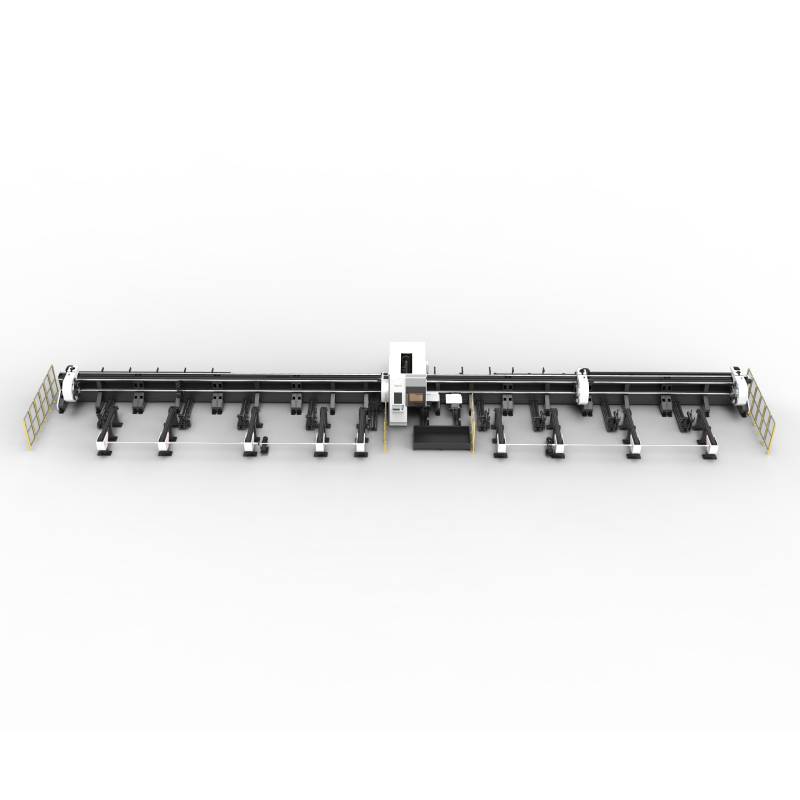
HGSTAR Section Steel Laser Cutting Machine, specially designed for processing H-Beams, I-Beams, and various types of steel structural beams. The equipment is equipped with a 1000W-6000W fiber laser source, capable of performing multiple processes such as cutting, hole drilling, beveling, scribing, and marking in one operation. It offers high processing precision and smooth, burr-free cutting surfaces. The machine supports up to 12-meter long section steel processing and features a dual-purpose design for both profile and plate materials, making it suitable for applications in construction steel structures, bridges, and engineering machinery. The entire machine is built with a high-rigidity gantry frame, ensuring stable operation and durability. It is paired with an intelligent control system that can interface with Tekla and BIM software to automatically generate cutting paths, supporting automated loading and unloading, which greatly enhances production efficiency. The machine is energy-efficient, environmentally friendly, and has low wear and tear, making it an efficient and reliable cutting solution for the steel structure industry.
Conclusion: Partnering for Innovation
As the global construction industry moves toward modularity and smart manufacturing, the choice of beam-cutting technology becomes a strategic asset. Investing in a system that offers sub-millimeter accuracy and seamless software integration is not just about cutting steel; it is about building the future with absolute confidence.
We use cookies to personalize content, ads, social media faeatures and to analyze our traffic. We also share information about your use of our site with our social media, advertising and analytics partners. If you choose "ACCEPT ALL", you consent to the use of all cookies.
Functional
Always active
The technical storage or access is strictly necessary for the legitimate purpose of enabling the use of a specific service explicitly requested by the subscriber or user, or for the sole purpose of carrying out the transmission of a communication over an electronic communications network.
Preferences
The technical storage or access is necessary for the legitimate purpose of storing preferences that are not requested by the subscriber or user.
Statistics
The technical storage or access that is used exclusively for statistical purposes.The technical storage or access that is used exclusively for anonymous statistical purposes. Without a subpoena, voluntary compliance on the part of your Internet Service Provider, or additional records from a third party, information stored or retrieved for this purpose alone cannot usually be used to identify you.
Marketing
The technical storage or access is required to create user profiles to send advertising, or to track the user on a website or across several websites for similar marketing purposes.